Benjamin Cressiot
  • Home
  • News
  • Research
  • Publications
  • Funding & Innovation
  • Team
  • Teaching
  • CV
  • Contact
  • 🇬🇧 EN | 🇫🇷 FR
  • ORCID

NEWS & HIGHLIGHTS

Research in motion

Selected publications, collaborations, team milestones and scientific events from the Cressiot nanopore research programme.

2026
Browse the research news archive ↓
LATEST UPDATES

Highlights from 2026

Recent publications, scientific presentations, outreach and collaborations.

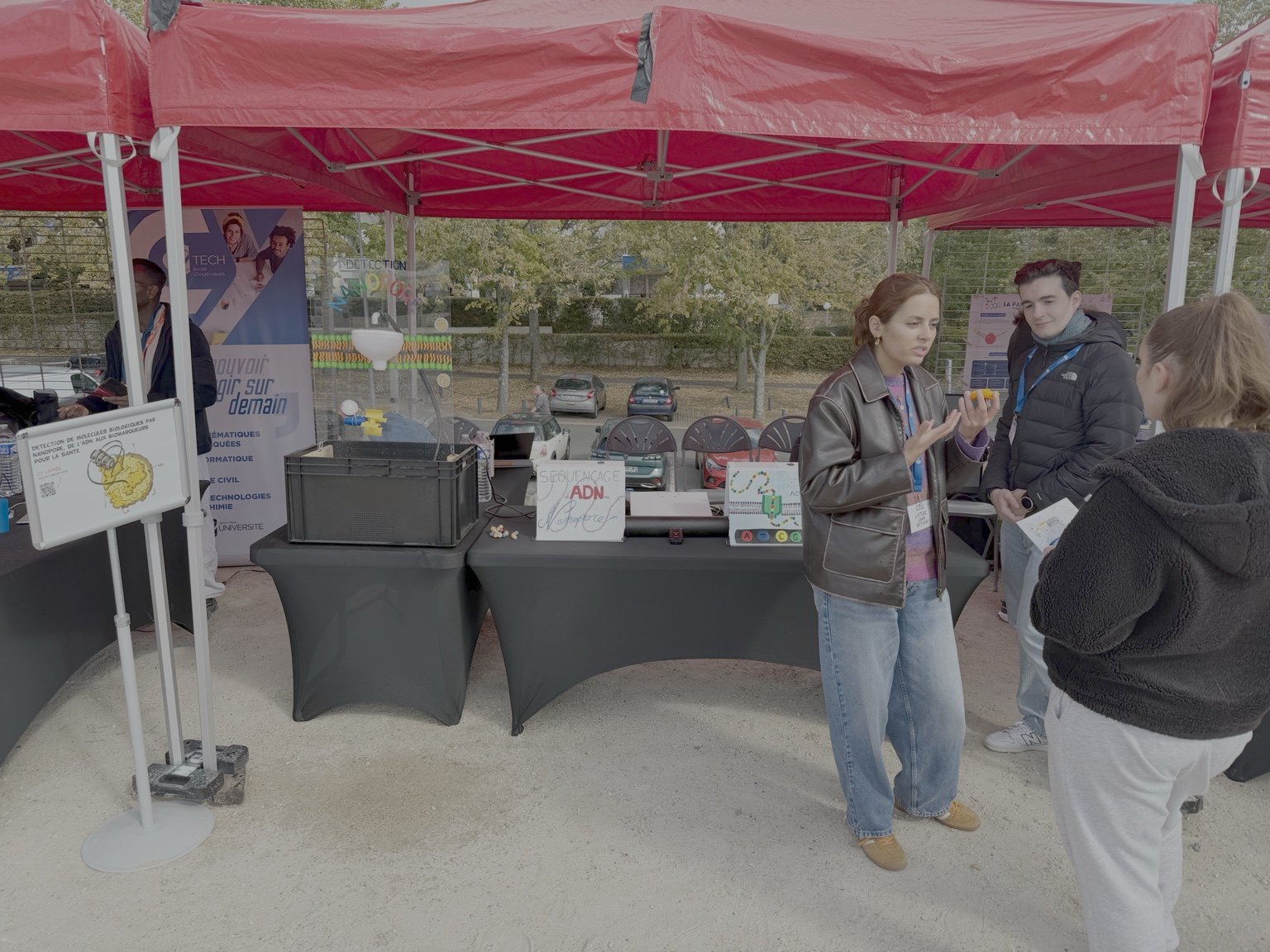
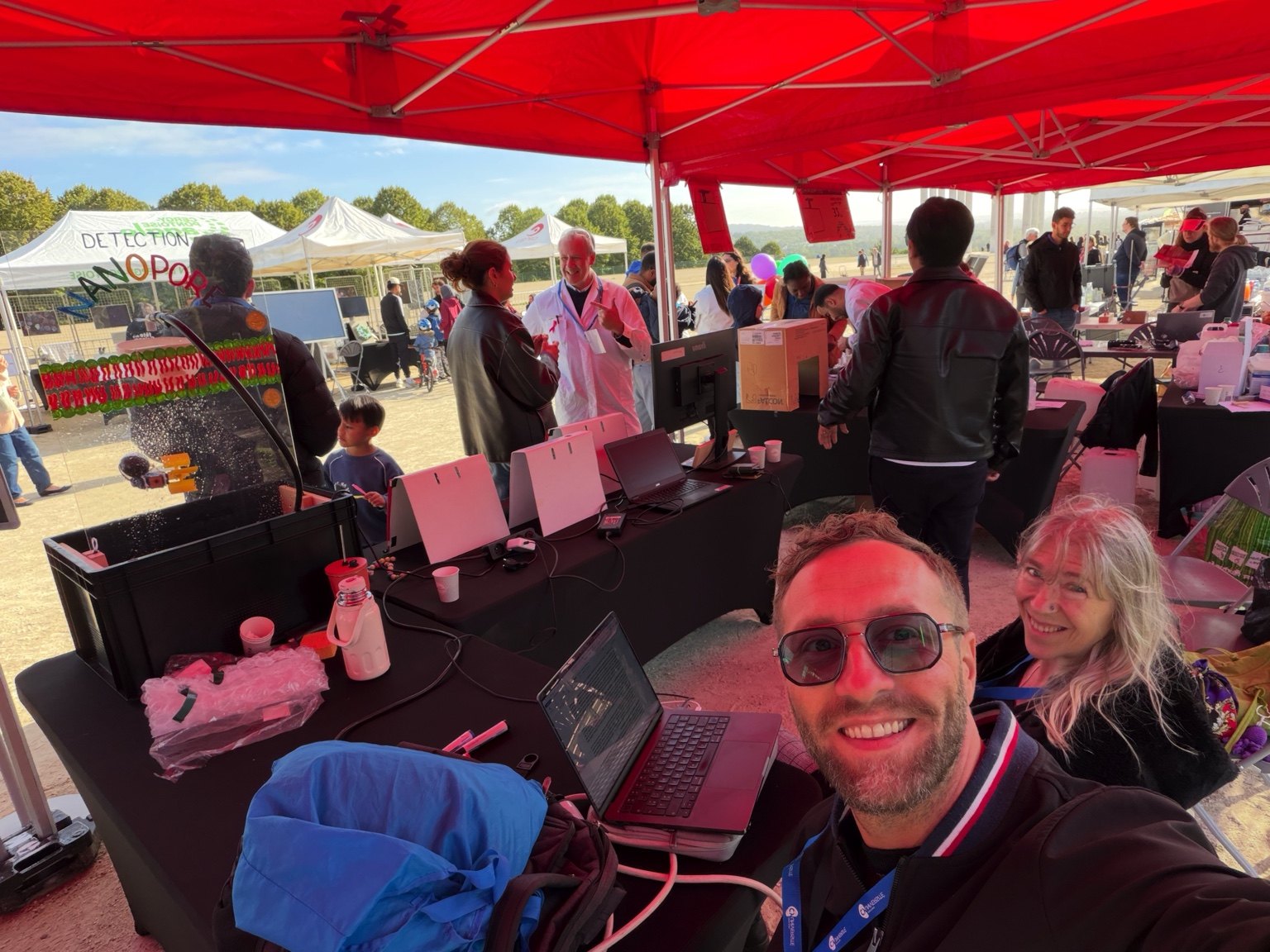
Workshop explaining electrical detection of biomolecules using nanoporesResearch team at the FĂŞte de la Science nanopore demonstration stand
SCIENCE OUTREACH10 October 2026

FĂŞte de la Science: introducing nanopore sensing to the public

Our team presented an interactive workshop and conceptual demonstration of nanopores and the electrical detection of biomolecules. Visitors explored how single molecules can be detected through changes in ionic current, with discussions about biomedical applications.
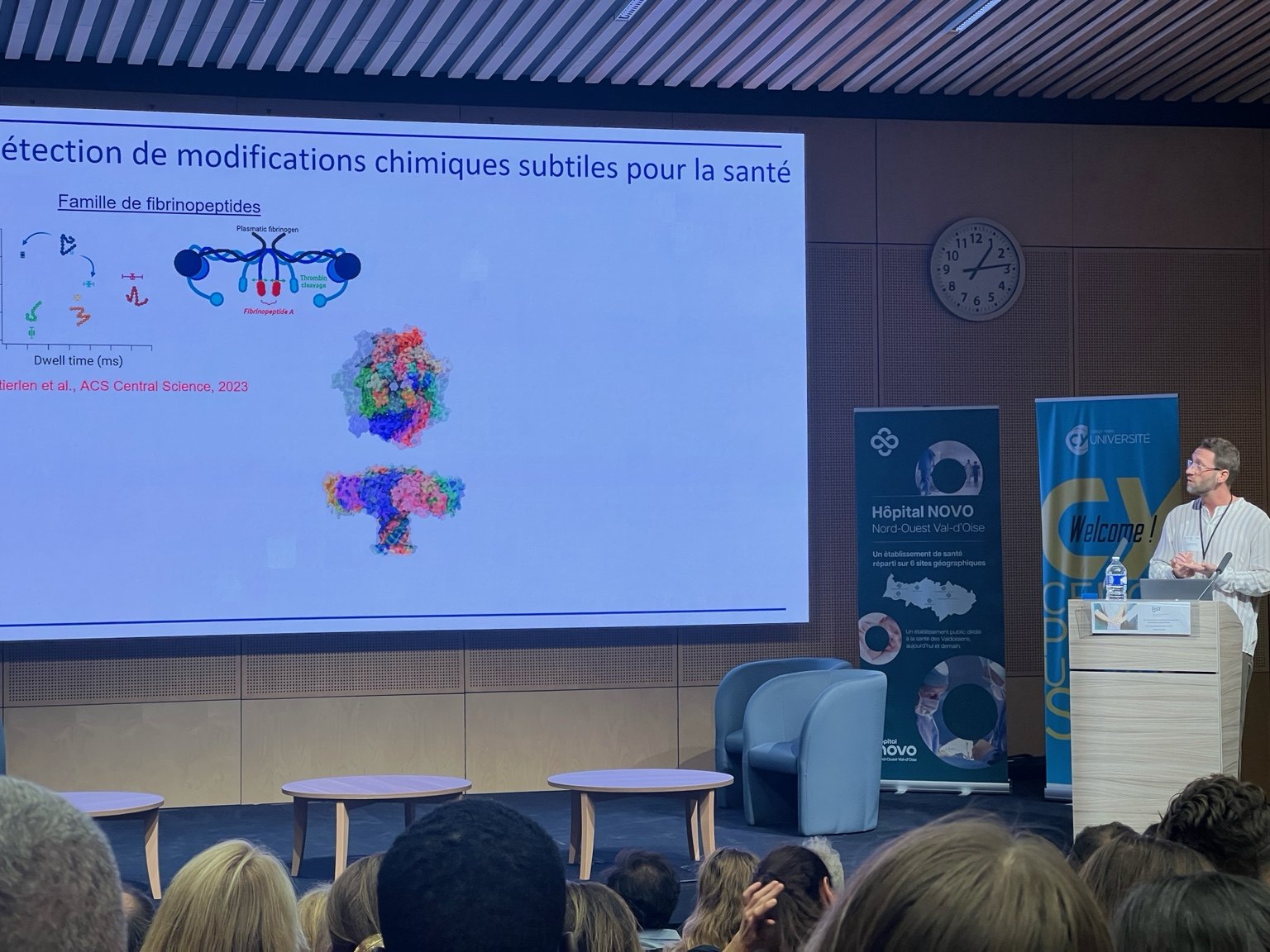
Benjamin Cressiot presenting nanopore-based biomarker detection at the CYU–NOVO research meeting
CONFERENCE & COLLABORATION2 October 2026

Nanopore research at the first CYU–Hôpital NOVO health meeting

At the first CY Cergy Paris Université–Hôpital NOVO meeting, “Innovating Together for Health”, Benjamin Cressiot delivered a talk on the detection and identification of protein biomarkers by nanopores. The team also contributed five posters on peptide biomarkers, proline isomers, enantiomers and sensing in complex biofluids.

JACS
Journal of the American Chemical SocietyAccepted · 14 October 2026
PUBLICATION · ACCEPTED14 October 2026

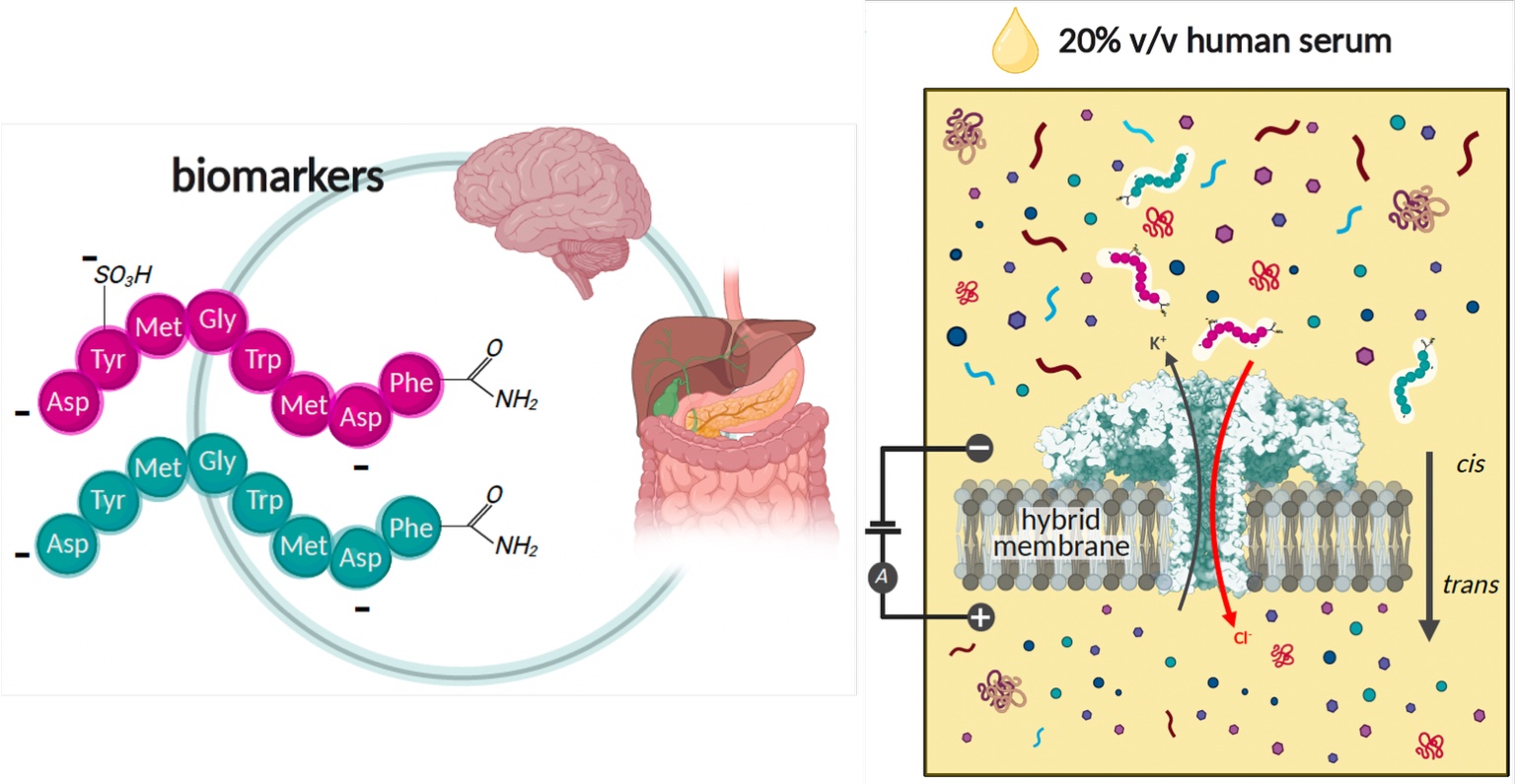
New JACS article accepted: quantifying peptide biomarkers in human serum

Y. Cai, Y. Liu, I. Khaled, B. Cressiot, L. Bacri and J. Pelta combine a solid-state nanopore platform with machine learning to identify and quantify peptide biomarkers in 20% human serum. DOI pending.

See publication record →
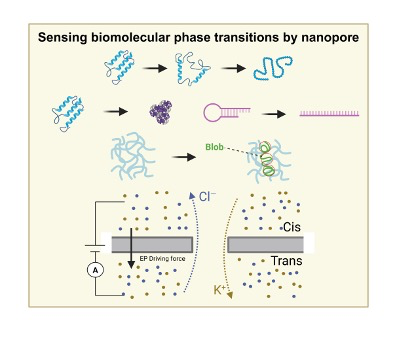
TOC graphic for the Small Methods review on biomolecular phase and conformational transitions probed by nanopores
PUBLICATION · ACCEPTED2026

New review accepted in Small Methods

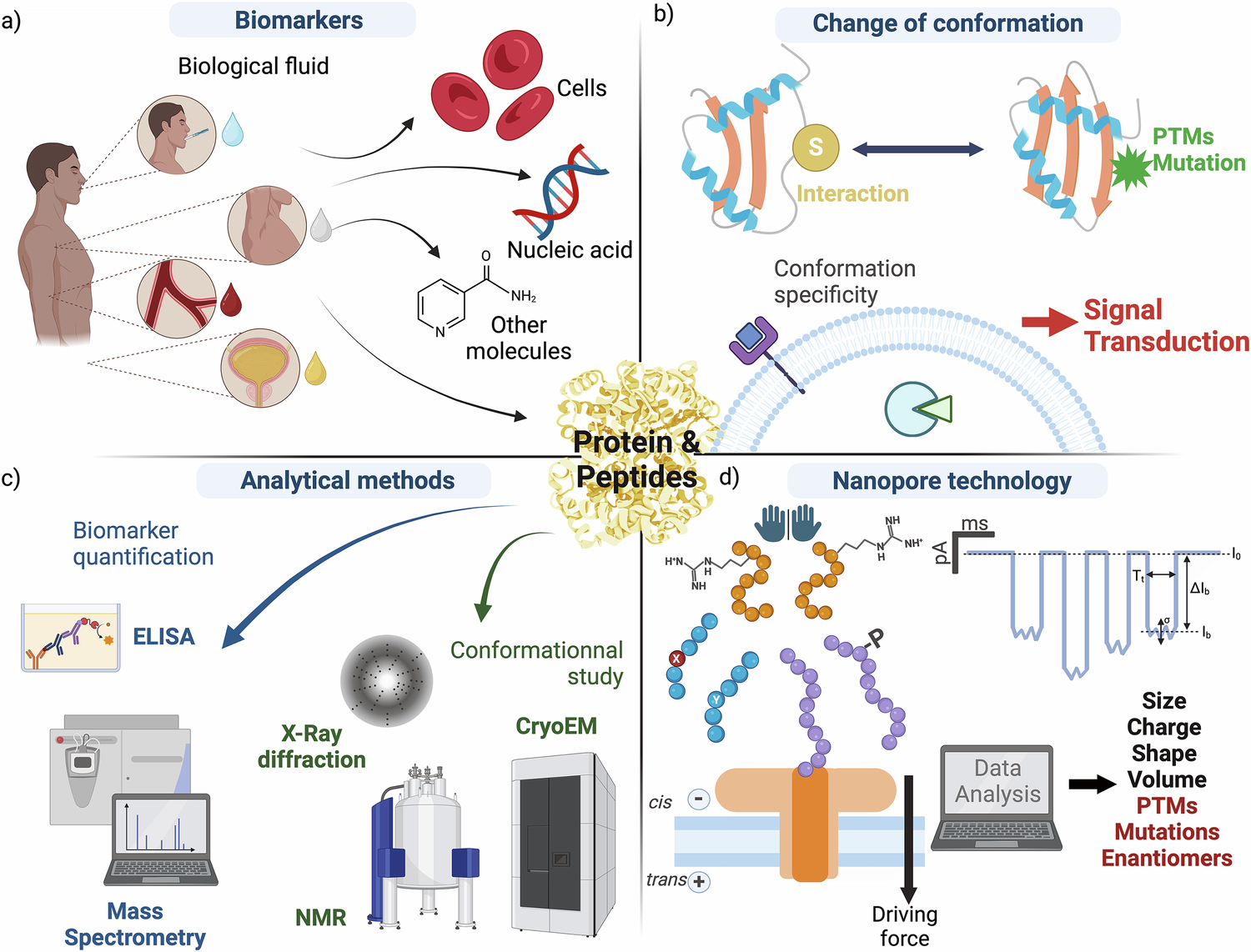
Y. Cai, Y. Liu, L. Bacri, B. Cressiot and J. Pelta review how nanopores probe conformational and phase transitions in nucleic acids, proteins and polymers at the single-molecule level. DOI to be added after publication.

See publication record →
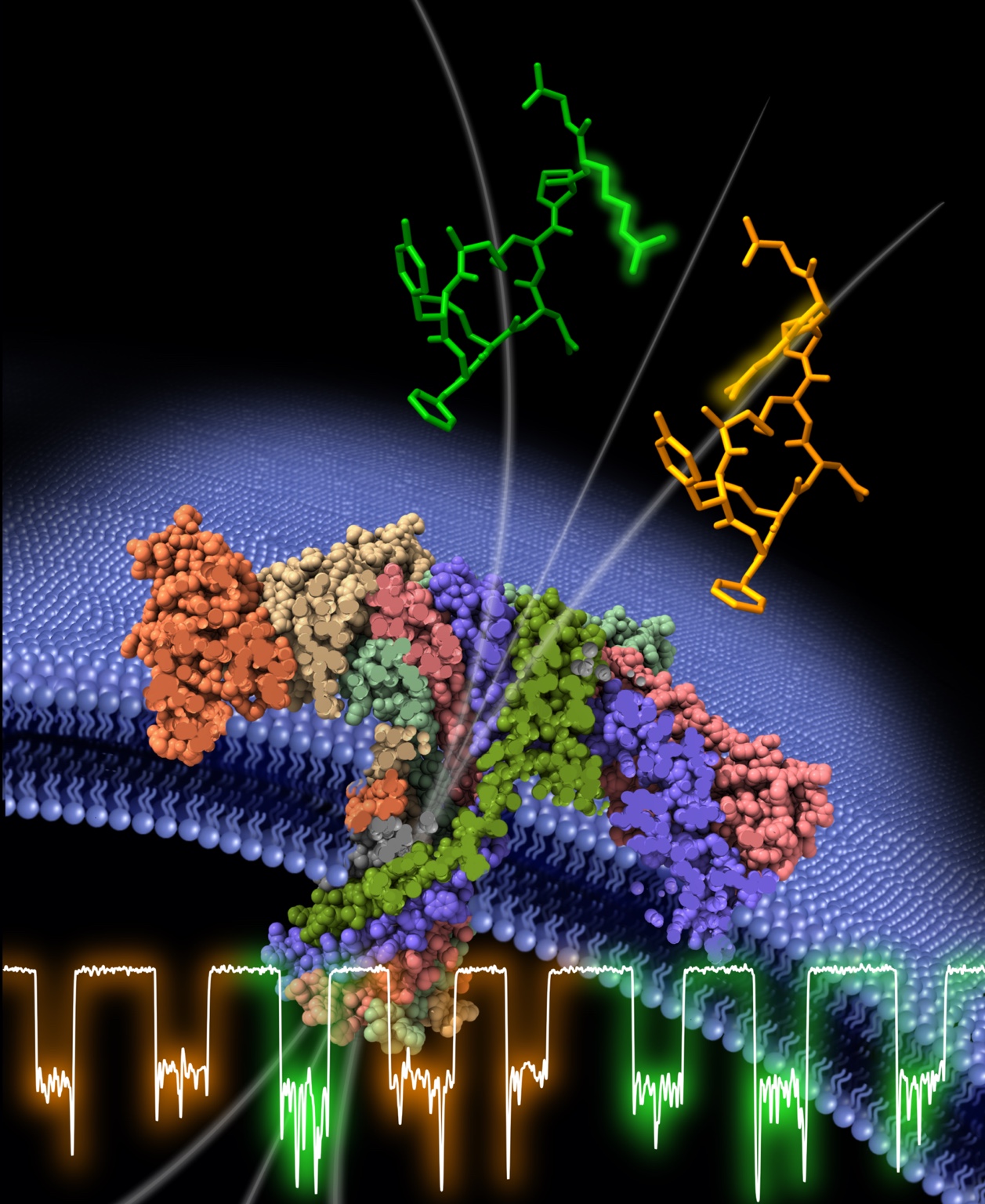
Graphical abstract for gut-hormone biomarker sensing
PUBLICATION3 August 2026

Gut-hormone biomarkers resolved in human serum

Published in Small, this study demonstrates discrimination of sulfated and unsulfated CCK-8 biomarkers in 20% human serum.

View publication →
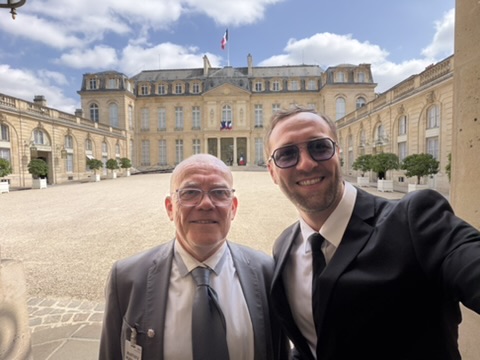
Benjamin Cressiot and Pierre Defrenaix at the Palais de l’Élysée
INNOVATION & TRANSFER23 July 2026

Nanopore diagnostics discussed at the Élysée Palace

Benjamin Cressiot and Pierre Defrenaix (Excilone) met at the Palais de l’Élysée to discuss the future of DreamPore, a startup hosted at CY Cergy Paris Université, and the development of nanopore-based molecular diagnostics.

Funding & innovation →
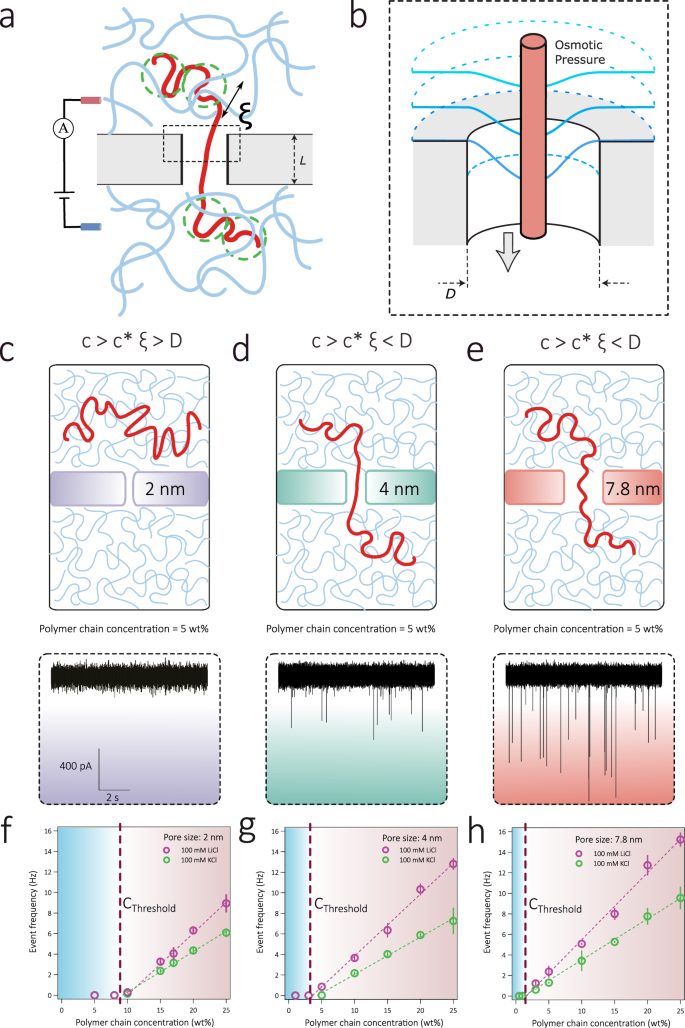
Figure 1, Cai et al., Nature Communications (2026) : entrée de polymères dans des nanopores artificiels
PUBLICATION2026

New work published in Nature Communications

A study of scaling laws for polymer transport in confined media, with implications for nanopore-based biomarker detection.

Explore the publication record →
PEPR MolecularXiv PEPR SENSIGA PROMETHEUS
COLLABORATIONS2026

Research networks spanning health, molecular data and energy

Ongoing participation in PEPR MolecularXiv, PEPR SENSIGA and the PROMETHEUS ecosystem broadens the reach of nanopore science.

Explore programmes →
Soching Luikham Luca Iesu Laura Ratinho
3Master 1 students
TEAM2026

The research team continues to grow

Postdoctoral researcher Soching LUIKHAM, recruited in October 2025 to work on synthetic-polymer detection and molecular information reading, joins doctoral researchers Laura Ratinho and Luca Iesu; the team also welcomes Mélanie De Magalhaes, Kalifa Sidibé and Ilies Hakimi in 2026.

Meet the team →
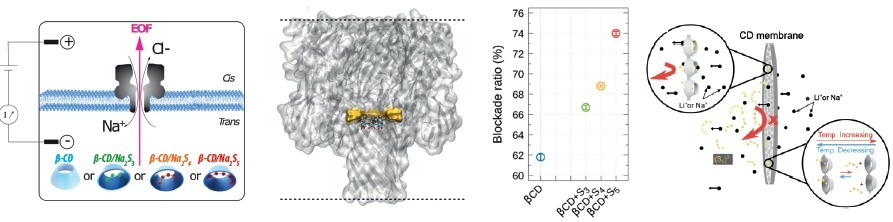
Chemical Science graphical abstract
PUBLICATIONS2025

Two contributions in Chemical Science

New results strengthen the programme on molecular discrimination, peptide structure and nanopore transport.

See publications →
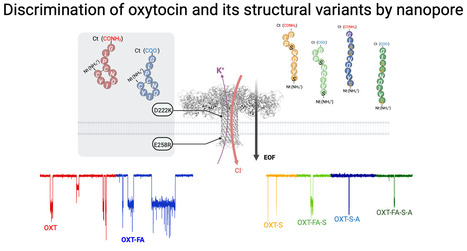
ACS Nano oxytocin graphical abstract
PUBLICATION2025

Single-molecule peptide sensing in ACS Nano

The work expands the ability of nanopores to distinguish closely related peptide structures and biologically relevant variants.

Read the research highlights →
SCIENCE OUTREACH · 2025

Public lecture · March 2025

Bringing single-molecule science and biomedical research to a wider audience.

UNIVERSITÉ OUVERTE · 27 MARCH 2025

Nanopores: analytical tools for the early diagnosis of diseases

In this public lecture at CY Cergy Paris Université, Benjamin Cressiot explains how nanopores detect biomolecules one at a time and how this technology could contribute to earlier disease diagnosis. The talk introduces electrical nanopore sensing, biomarker detection in biological samples, and potential applications in healthcare, environmental monitoring and energy research.

Original French title: Les nanopores : des outils d’analyse pour le diagnostic précoce de maladies.

Official Université Ouverte lecture page ↗
Watch on YouTube ↗

RESEARCH NEWS ARCHIVE

Research in the scientific news: a chronological archive

Institutional news and research coverage exclusively about publications I coauthored. Each title links to its original source. The major 2026 milestones remain featured above.

2026

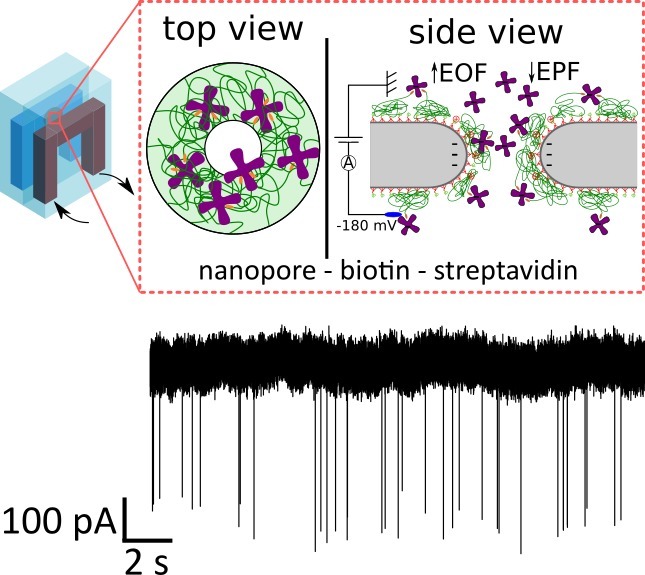
Illustration from the associated research publication
15 Sep · Université Paris-Saclay · Small

Caractérisation en molécule unique de deux formes d’un biomarqueur dans le sérum humain avec un nanopore ↗

Illustration from the associated research publication
19 Mar · Université Paris-Saclay · Nature Communications

Lois d’échelle dans les milieux confinés appliquées à la détection de biomarqueurs ↗

2025

Illustration from the associated research publication
9 Sep · Université Paris-Saclay · ACS Nano

Discrimination de l’ocytocine et de ses variants structurels par nanopore ↗

Illustration from the associated research publication
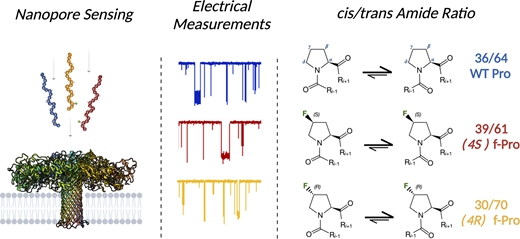
13 May · Université Paris-Saclay · Chemical Science

Détection par nanopore d’isomères cis/trans de la liaison peptidique de la proline ↗

Illustration from the associated research publication
9 Apr · Université Paris-Saclay · Nature Communications

Détection et identification de biomarqueurs protéiques et de leur conformation par nanopore ↗

2024

Illustration from Greive et al., ACS Nano
9 January 2024 · Université Paris-Saclay · ACS Nano

Identification de conformations de biomarqueurs de bradykinine par nanopore et apprentissage automatique ↗

Illustration from Greive et al., ACS Nano
Genopole · ACS Nano

Associer un nanopore naturel et le machine learning pour détecter les kinines ↗

2023

Illustration from Stierlen et al., ACS Central Science
CNRS Chimie · ACS Central Science

Vers un diagnostic précoce de maladies graves à l’aide de biomarqueurs peptidiques ↗

Illustration from Stierlen et al., ACS Central Science
Genopole · ACS Central Science

Détecter des biomarqueurs de la coagulation par un nanopore naturel ↗

Illustration from Stierlen et al., ACS Central Science
7 Mar · Université Paris-Saclay · ACS Central Science

Discrimination de biomarqueurs de la coagulation et identification de modifications post-traductionnelles ↗

Illustration from Stierlen et al., ACS Central Science
Techno-Science · ACS Central Science

AVC, crise cardiaque, cancer : vers un diagnostic précoce et simple ↗

2021

Illustration from the 2021 research brief
25 July 2021 · Université Paris-Saclay

Capture spécifique pour analyser les biomarqueurs en particule unique ↗

2020

Illustration from the associated research publication
Université Paris-Saclay · Communications Materials

Des nanopores pour diagnostiquer l’état de santé des batteries Li-S ↗

FOLLOW THE RESEARCH

Reading molecular information, one molecule at a time.

Publications Contact

© 2026 Benjamin Cressiot

Research conducted within LAMBE · CNRS UMR 8587 · CY Cergy Paris Université

Cookie Preferences
  • Google Scholar

  • ORCID